
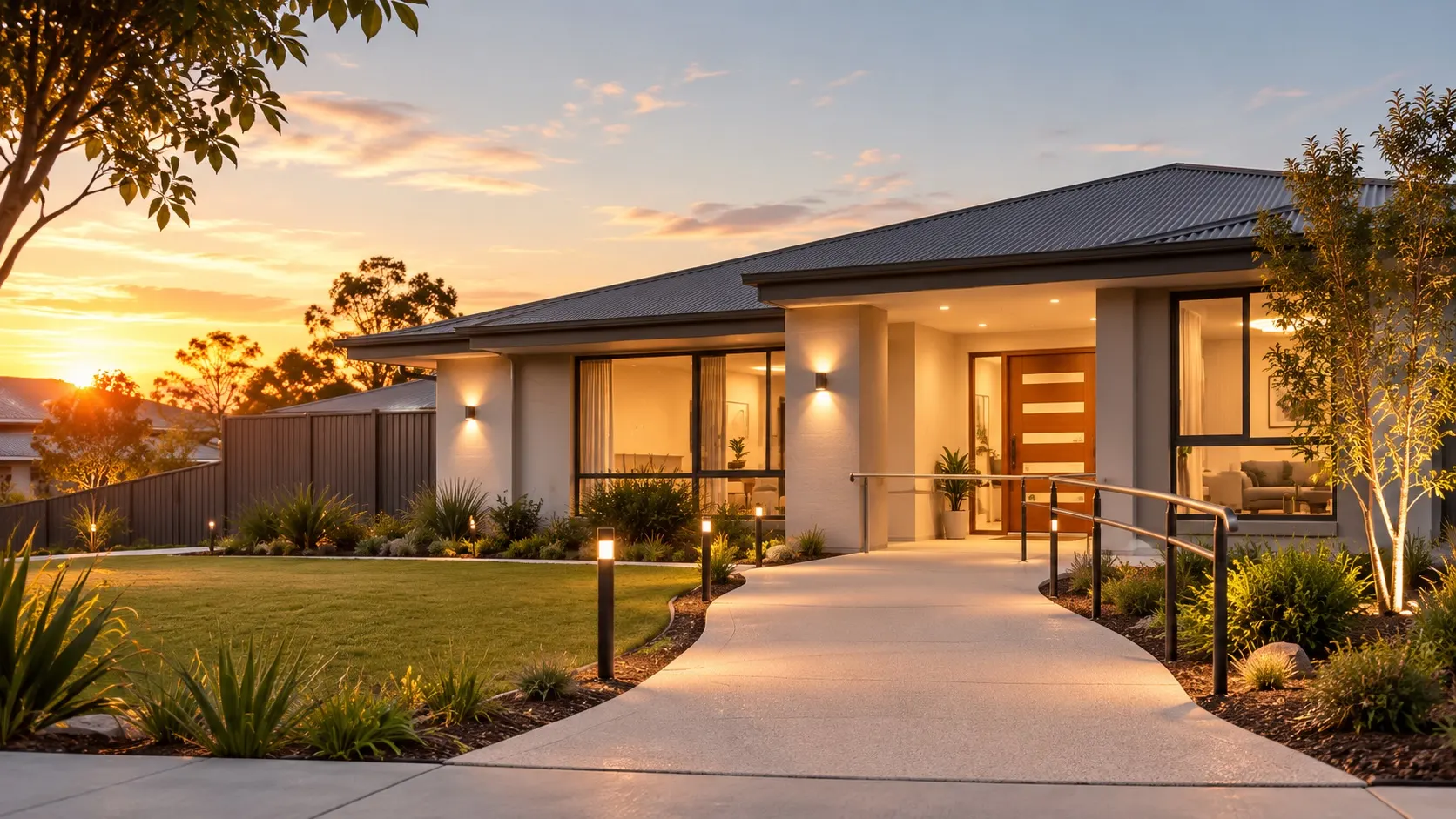
Specialist Disability Accommodation home

NDIS housing options explained: SDA, SIL, ILO and short-term options

By The Find My SDA Team · Updated 10 Aug 2026

The NDIS uses a lot of acronyms for housing and living support, and it is easy to mix them up. Some pay for a home, some pay for the support you receive in it, and some are only for the short term. This guide explains SDA, SIL, ILO, MTA and STA in plain English, and how they fit together. If you want the detail on the home itself, start with What is SDA?.

SDA: the specially designed home

Specialist Disability Accommodation (SDA) is the building. It is specially designed housing funded through the NDIS for a small number of participants with an extreme functional impairment or very high support needs. SDA appears as its own line item in an NDIS plan, and the NDIS decides who is eligible.

SDA comes in different design categories and dwelling types, from apartments to villas and group homes. What SDA does not include is the day-to-day support you receive at home. That is funded separately.

SIL: the support in the home

Supported Independent Living (SIL) is the help with daily tasks such as personal care, cooking, medication prompting and building life skills. SIL pays for support workers, not for the building.

A single home can involve both SDA and SIL, funded through different parts of a plan. Because people often confuse the two, we wrote a dedicated guide on the difference between SDA and SIL.

ILO: a flexible way to arrange support

Individualised Living Options (ILO) is not a building. It is a flexible way to design how and with whom a participant lives, for people who want more choice than a traditional shared arrangement. An ILO focuses on the mix of formal and informal supports around a person, such as a housemate, host arrangement or a tailored package of drop-in support.

ILO and SDA answer different questions. SDA is about the home; ILO is about the living and support arrangement. Some people use one, some use the other, and the NDIS decides what is funded in a plan.

MTA and STA: short-term options

Medium Term Accommodation (MTA) is temporary housing for participants who are ready to leave hospital or their current home but whose confirmed long-term home, such as an SDA place, is not available yet. It is generally funded for a limited period while the longer-term option is finalised.

Short Term Accommodation (STA), often called respite, covers short stays away from home, including the support, accommodation, meals and activities during that stay. STA is usually about giving participants and their families a break rather than a long-term housing solution.

How they fit together

A helpful way to think about it: SDA and MTA and STA are about where you live; SIL and ILO are about the support around you. Many participants combine an accommodation type with a support type, for example an SDA home with SIL support.

What is funded, and in what mix, is decided by the NDIS based on a participant's needs and goals. Before you commit to any home, it is worth confirming how your accommodation and support are each funded, and what you would pay as a reasonable rent contribution.

Where to start if you want an SDA home

If SDA is funded in your plan, the practical next step is to browse current SDA vacancies by suburb and design category and enquire on the homes that match your needs. Our guide on how to apply for SDA walks through getting SDA into a plan in the first place.

Find My SDA is a licensed real estate agency (RLA 344702) and a registered NDIS SDA provider, so you deal with one team from your first enquiry through to moving in.

Common questions

What is the difference between SDA and SIL?

SDA is the specially designed home, funded as its own line item. SIL is the day-to-day support you receive in that home. They are different things, funded separately in your NDIS plan.

What is an ILO in the NDIS?

An Individualised Living Option is a flexible way to arrange how and with whom you live, focusing on the mix of supports around you rather than a specific building. It is different from SDA, which funds the home itself.

What is the difference between MTA and STA?

Medium Term Accommodation is temporary housing while your confirmed long-term home is not yet available. Short Term Accommodation, often called respite, covers short stays away from home, usually to give participants and families a break.

Can I have SDA and SIL at the same time?

Yes. Many participants live in an SDA home and also receive SIL support in it. The two are funded through different parts of the plan, and the NDIS decides what is included.

This guide is general information only and is subject to change. It is not advice about your individual NDIS plan. The NDIS decides what supports and housing are funded for each participant, so always confirm the detail with the NDIS or your planner.

More guides

What is SDA? Specialist Disability Accommodation ExplainedSpecialist Disability Accommodation (SDA) is specially designed NDIS housing for people with extreme functional impairment or very high support needs. Learn what SDA is, who it is for, what the funding covers, and how to find an SDA home.The Four SDA Design Categories ExplainedEvery SDA home is built to one of four NDIS design categories: Improved Liveability, Fully Accessible, Robust and High Physical Support. Learn what each category means and how to find homes in the one you are funded for.Am I Eligible for SDA? NDIS SDA Eligibility ExplainedSDA is funded for a small number of NDIS participants with extreme functional impairment or very high support needs. Learn how SDA eligibility works, what evidence helps, and what to do if SDA is not in your plan yet.How SDA Funding Works: NDIS SDA Payments ExplainedSDA funding pays for the specially designed home, is paid to the SDA provider, and sits alongside a reasonable rent contribution. Learn what SDA funding covers, what you pay, and what sets the amount.Moving Into an SDA Home in Adelaide: What to ExpectA plain-English guide to moving into a Specialist Disability Accommodation home in Adelaide and South Australia: from finding a vacancy and enquiring, to inspections, tenancy agreements and settling in.Is SDA a Good Investment? Returns, Risks and How It WorksA balanced look at SDA property investment: how SDA investment returns are built from NDIS payments and rent, the real risks like vacancy, and what to check before you buy in South Australia. General information, not financial advice.SDA vs SIL: What Is the Difference?SDA is the specially designed home; SIL is the day-to-day support you receive in it. Learn the difference between Specialist Disability Accommodation and Supported Independent Living, and how the two work together in your NDIS plan.How to Choose an SDA Provider in South AustraliaChoosing an SDA provider is a big decision. Learn what an SDA provider does, the questions worth asking, and what to look for when finding Specialist Disability Accommodation in Adelaide and South Australia.Accessible Home Features in SDA ExplainedSDA homes include accessible features like step-free access, wider doorways, accessible bathrooms and ceiling hoists. Learn what these features are, which SDA design category they belong to, and how to find a home with the features you need.SDA Investment in South Australia: A Local GuideA South Australia focused look at SDA investment: why local demand and location matter, what to consider in the Adelaide market, and how SDA property investment works in SA. General information, not financial advice.How to Change SDA Providers: A Step-by-Step GuideYou can change SDA providers as an NDIS participant. This step-by-step guide covers why people switch, notice periods, lining up a new home first, giving notice, and updating your NDIS plan.SDA Waitlists Explained: Why They Happen and How to Navigate OneSDA waitlists exist because purpose-built homes are scarce and demand outpaces new builds. Learn why SDA waitlists happen, how vacancy matching works, and practical ways to move through a waitlist faster.Types of SDA Housing: Apartments, Villas, Houses and Group HomesSDA homes come in a few different building types, from self-contained apartments to shared group homes. Learn what each SDA housing type means, how many people live in one, and how to find the right fit in South Australia.How to Apply for SDA: Getting SDA Funding in Your NDIS PlanSDA is funded through your NDIS plan, not applied for separately. Learn the practical steps to request SDA, the evidence that helps, and what happens after you ask, explained in plain language.Reasonable Rent Contribution in SDA: What You Pay ExplainedIn an SDA home you usually pay a Reasonable Rent Contribution on top of your SDA funding. This guide explains what the RRC is, how it is commonly worked out, and what it does and does not cover.SDA Management Fees Explained: What Landlords Actually PayA plain-English breakdown of SDA management fees: fee-for-service vs fee-to-engage, letting fees, onboarding costs and how to compare quotes fairly.SDA Property Management for Landlords: How to Choose a PartnerA landlord's guide to SDA property management: what a partner does, questions to ask before signing, warning signs, and how vacancy payments work.Do Landlords Pay to Lease an SDA Home?Do landlords pay to lease an SDA home? Learn who covers advertising and matching, what a letting fee normally covers, and what $0 upfront really means.What are the SDA design categories, and how do you know which one you need?SDA design categories explained: Improved Liveability, Fully Accessible, Robust and High Physical Support, and how the NDIS decides which one suits you.Who is eligible for SDA?Who is eligible for SDA under the NDIS? Learn the functional impairment and support needs rules, how the NDIA decides, and what evidence you need.What's the difference between SDA and SIL?SDA (Specialist Disability Accommodation) and SIL (Supported Independent Living) are different NDIS supports. Here's how they differ and when you might need both.How do you find SDA vacancies in South Australia?Looking for SDA vacancies in South Australia? Here's how the NDIS SDA Finder works, who else can help, and what to check before you view a home.High Physical Support SDA Explained: Features, Design and EligibilityHigh Physical Support SDA is the highest-need NDIS design category. Learn who it is for, the mandatory design features like ceiling hoists, and how it compares to other SDA homes.Can You Choose Who You Live With in SDA?Choice and control is a core NDIS principle. Learn how much say you get over who you live with in SDA, how vacancy matching works, and what to do if a share home is not working.Can Family Live With You in an SDA Home?Yes, a partner, family member or friend can usually live with you in an SDA home, even without NDIS funding. Learn how Appendix H, rent and the staff room work.Does the SDA Rent Contribution Cover Utilities?In SDA, the reasonable rent contribution covers your accommodation, not your everyday utilities. Learn what the rent contribution includes, who pays for electricity, gas and water, and how it all fits together.