
High Physical Support SDA explained
By The Find My SDA Team · Updated 12 Aug 2026
Short answer
High Physical Support (HPS) is the highest-need of the four SDA design categories. It is built for NDIS participants with significant physical impairment and very high support needs, with features such as structural provision for ceiling hoists, benches usable from a seated position, assistive technology readiness and back-up power for essential equipment.
High Physical Support, usually shortened to HPS, is one of the four SDA design categories, and it sits at the top of the scale for physical support needs. If you or someone you support has significant physical impairment, an HPS home is built with features that most other housing simply does not have, from ceiling hoist provision to back-up power for medical equipment. This guide goes deeper into what makes a home High Physical Support, who it suits, and what to check before choosing one. For the basics of SDA itself, start with what is SDA?, and if you are not sure whether you meet the bar for any SDA category, read our guide to SDA eligibility.
What is High Physical Support SDA?
High Physical Support is one of four design categories set out in the NDIS SDA Design Standard, alongside Improved Liveability, Fully Accessible and Robust. Every SDA home is built to one of these categories, and HPS is generally the most specialised and highest-cost to build, because it has to support the most significant physical needs.
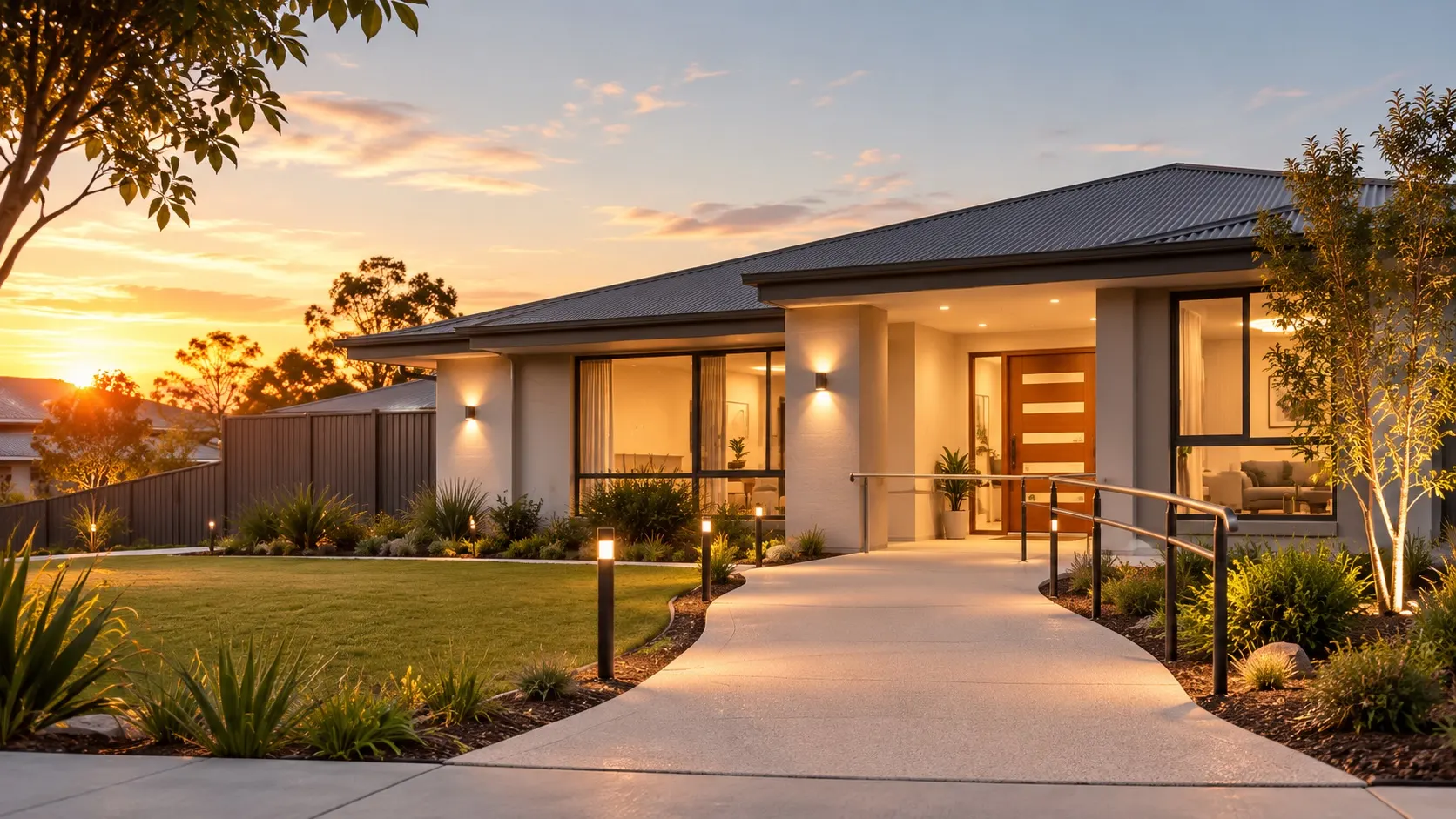
An HPS home looks like an ordinary house or apartment from the street. The difference is inside: the layout, fittings and structural provisions are all designed around a resident who needs a high level of physical support to get through the day safely.
Who is High Physical Support SDA designed for?
HPS is designed for people with significant physical impairment who need very high levels of support. The NDIS describes it as housing with a high level of physical access provision for exactly this group. In practice, that usually means significant difficulty with everyday physical tasks like moving around, transferring or personal care, even with home modifications and equipment.
It typically suits participants who need a high level of support through much of the day, and who use or would benefit from equipment like a ceiling hoist, a powered wheelchair or communication technology. Because the bar is high, only a small group of NDIS participants are funded for HPS. Our guide on SDA eligibility explains how the NDIS assesses this more generally.
What design features does a High Physical Support home have?
HPS homes carry every feature expected of a Fully Accessible home, plus a set of higher-level features on top. These commonly include structural provision for ceiling hoists, meaning the ceiling and framing are built strong enough to fit hoist tracking between a bedroom, bathroom and other key rooms without major building work later.
Kitchens and bathrooms are typically designed to be usable from both a seated and standing position, with benches, sinks and other fittings placed and supported so they can be adjusted or used safely by someone with limited mobility. Wider doorways and larger turning circles give room for a power wheelchair to move through the home.
HPS homes are also built to be assistive-technology ready, with the wiring, power points and structural backing in place for equipment such as automated doors, environmental controls or communication devices. Back-up power for essential equipment is another feature of this category, so that critical devices like a hoist or an electric bed can keep working during a power outage.
Not every HPS home has identical fittings. The exact combination of features depends on how the home was built and enrolled, so it is worth confirming the details of a specific property rather than assuming every HPS home is fitted out the same way.
How does High Physical Support differ from Fully Accessible?
Fully Accessible SDA is also built for people with significant physical impairment, with step-free access and layouts that support wheelchair use and safer mobility. It is a solid, highly accessible home.
High Physical Support goes further. It is built for people whose support needs are even higher, and the Design Standard specifies extra features for High Physical Support rather than Fully Accessible, such as ceiling hoist provision, back-up power for essential equipment and a deeper level of assistive-technology readiness. In short, every HPS home is highly accessible, but not every Fully Accessible home is built to the HPS specification.
How does High Physical Support differ from Robust?
Robust SDA is built around a different kind of need. It suits participants whose behaviour may put themselves, others or the property at risk, and it uses strong, durable materials, secure fittings and safe spaces to create a resilient, low-maintenance home.
High Physical Support is about physical mobility and equipment, not behavioural risk. A home can be built to one category or the other, but not usually both, because the design priorities are different. If you are unsure which category matches your needs, your support coordinator or NDIS planner can confirm what your plan is funded for. Our guide to the four SDA design categories covers all of them side by side.
How does HPS funding work and how does it get into your plan?
SDA is requested and funded as part of your NDIS plan, not through a separate application. The NDIS decides eligibility and the design category based on evidence about your functional capacity and support needs, often including a Functional Capacity Assessment from an occupational therapist. If HPS is approved, it appears as its own line item in your plan, naming High Physical Support as your design category.
HPS homes are the most specialised to build and fit out, and they attract higher SDA payments than the other design categories. That funding is paid by the NDIS to the SDA provider for the dwelling, not to you directly, and most residents also pay a Reasonable Rent Contribution on top. Our guide on how SDA funding works explains the payment side in more detail.
What should you look for when choosing an HPS home?
Start by checking that the home is actually enrolled as High Physical Support, not just described that way informally. Ask what equipment is already installed, such as ceiling hoist tracking, versus what has structural provision but is not yet fitted. Check the bathroom and bedroom layout against your own equipment and support routine, and ask how back-up power and any emergency call systems are set up and tested.
It also helps to think beyond the walls of the home. Look at how support is arranged, whether it is a shared or single-occupant home, and how close the property is to your health providers, family and transport. Our guide on how to choose an SDA provider has more questions worth asking before you commit to a home.
Common questions
Is High Physical Support the highest SDA design category?
Yes, in terms of the physical support needs it caters for. High Physical Support homes are built with the highest level of specialised design of the four SDA categories, including ceiling hoist provision and back-up power that other categories do not require.
Does every High Physical Support home already have a ceiling hoist installed?
Not always. Some HPS homes have structural provision for a hoist, meaning it can be fitted, while others already have tracking installed. It is worth asking a provider exactly what is fitted versus what is only provisioned for.
Can I live alone in a High Physical Support home?
Yes. HPS homes come in different building types, from a single-occupant house or apartment to a shared home with a small number of residents. Our guide on types of SDA housing explains the options.
How do I know if I am eligible for High Physical Support SDA?
The NDIS decides SDA eligibility and design category as part of your plan, based on evidence about your functional impairment and support needs. If you think High Physical Support may suit you, raise it with your support coordinator or at a plan review.
Does a High Physical Support home cost more rent than other SDA homes?
No. The Reasonable Rent Contribution most residents pay is worked out the same way regardless of design category, generally based on a portion of the Disability Support Pension and Pension Supplement plus Commonwealth Rent Assistance. It is the SDA funding paid to the provider that differs by category, not the resident rent contribution.
This guide is general information only and is subject to change. It does not describe any internal NDIS process and does not guarantee eligibility, funding or the features of any particular home. The NDIS makes all eligibility and design category decisions, and the exact features of an SDA home are confirmed on that home enrolment, so always check the details of a specific property and confirm your own situation with the NDIS or your support coordinator.